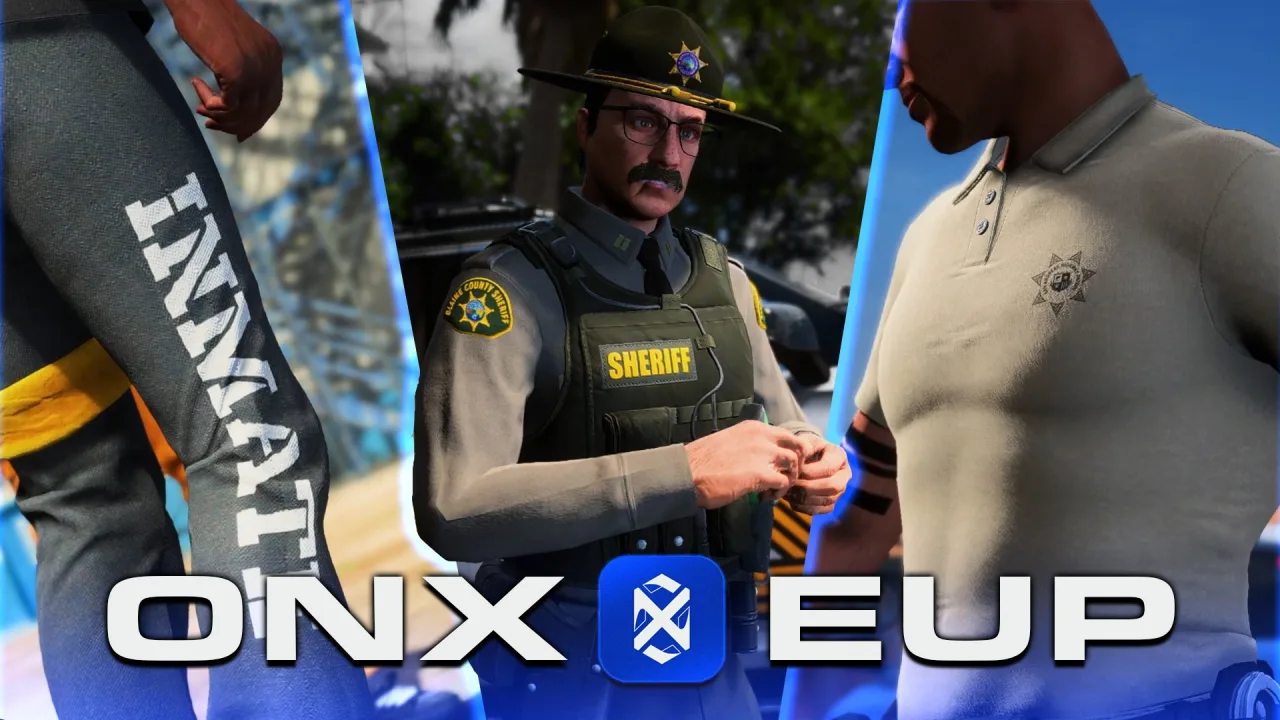
Clothing is the layer of FiveM customization everyone underestimates until they see it done well. Vehicles get the budget, MLOs get the screenshots — but clothing is identity players wear into every scene. A police force in matching, properly fitted uniforms reads as professional. A gang with consistent colors reads as organized. A civilian wardrobe with depth means no two characters at the bar look alike. This is a practical buyer’s guide to EUP, clothing packs and ped customization: what the terms mean, what quality looks like, and how to spend wisely.
The vocabulary, quickly
- EUP (Emergency Uniforms Pack) — originally the standard library of law-enforcement and emergency-services uniforms, now shorthand for any emergency clothing collection. Modern packs go far beyond the classic library: department-specific fits, rank insignia, tactical kits.
- Clothing packs — civilian streetwear, suits, dresses and accessories added to the character wardrobe as new drawables.
- Ped models — complete replacement characters (a fully custom MP ped, or branded peds for businesses), as opposed to clothing layered on the multiplayer models.
- Addon vs replace — addon clothing gets new slots and coexists with vanilla; replace overwrites existing items. Addon is almost always what a server wants; replace packs are how you end up with civilians spawning in SWAT vests.
What quality looks like (before you pay)
- Weight painting. The number one differentiator. Badly weighted clothing clips and stretches grotesquely the moment a character runs or sits. Preview videos should show movement, not just a posed character — if every shot is static, assume there’s a reason.
- Texture density that matches the game. 4K textures on a t-shirt look great in a showcase render and cost streaming memory on a 64-slot server. Quality creators resolve detail where it matters (insignia, logos) and stay sane elsewhere.
- Both body types, all relevant components. A “pack” that only fits the male model, or breaks when combined with vanilla pants, is half a product.
- Sensible drawable organization. Clean slot allocation and documentation, so your clothing menu doesn’t become a scavenger hunt and future packs don’t collide.
Buying for factions first
Spend your first clothing budget where coordination pays: police, EMS and fire. Uniform EUP transforms emergency services RP — officers visibly outrank each other, divisions look distinct, and recruitment posters suddenly have something to show. Pair the uniforms with the right job scripts (MDT, dispatch, evidence) and the whole faction levels up at once.
Criminal and civilian wardrobes come next: gang colors and streetwear depth for the other half of the city, business fits for everyone in between. The goal is simple — when a screenshot from your server shows six characters, six different wardrobes should be visible.
Performance and streaming budget
Clothing is streamed like any other asset, and bloated wardrobes have the same cost profile as bloated vehicle catalogs: longer loads, more memory pressure, lower FPS in crowds. Audit packs the same way you’d audit a script or an MLO — install on a test server, check load behavior in a crowd of peds, and prune drawables you don’t use. Curated beats hoarded, here more than anywhere.
Where clothing fits in the bigger immersion stack
Clothing multiplies the other layers. Custom uniforms inside a custom police MLO produce the scenes players clip and share. And a coherent wardrobe plus seasonal content means your Halloween event has costumes, not just fog.
A sensible first order
For a typical RP city: one comprehensive police EUP pack, one EMS/fire pack, one quality civilian streetwear pack, and one formal/business pack. That four-item order — modest money, one evening to install and organize — changes the look of every populated scene on your server. If you’re building out a full city from scratch, slot clothing alongside vehicles and interiors in your launch budget.
Players spend hours in the clothing menu building a character they care about. Give that care somewhere to go.